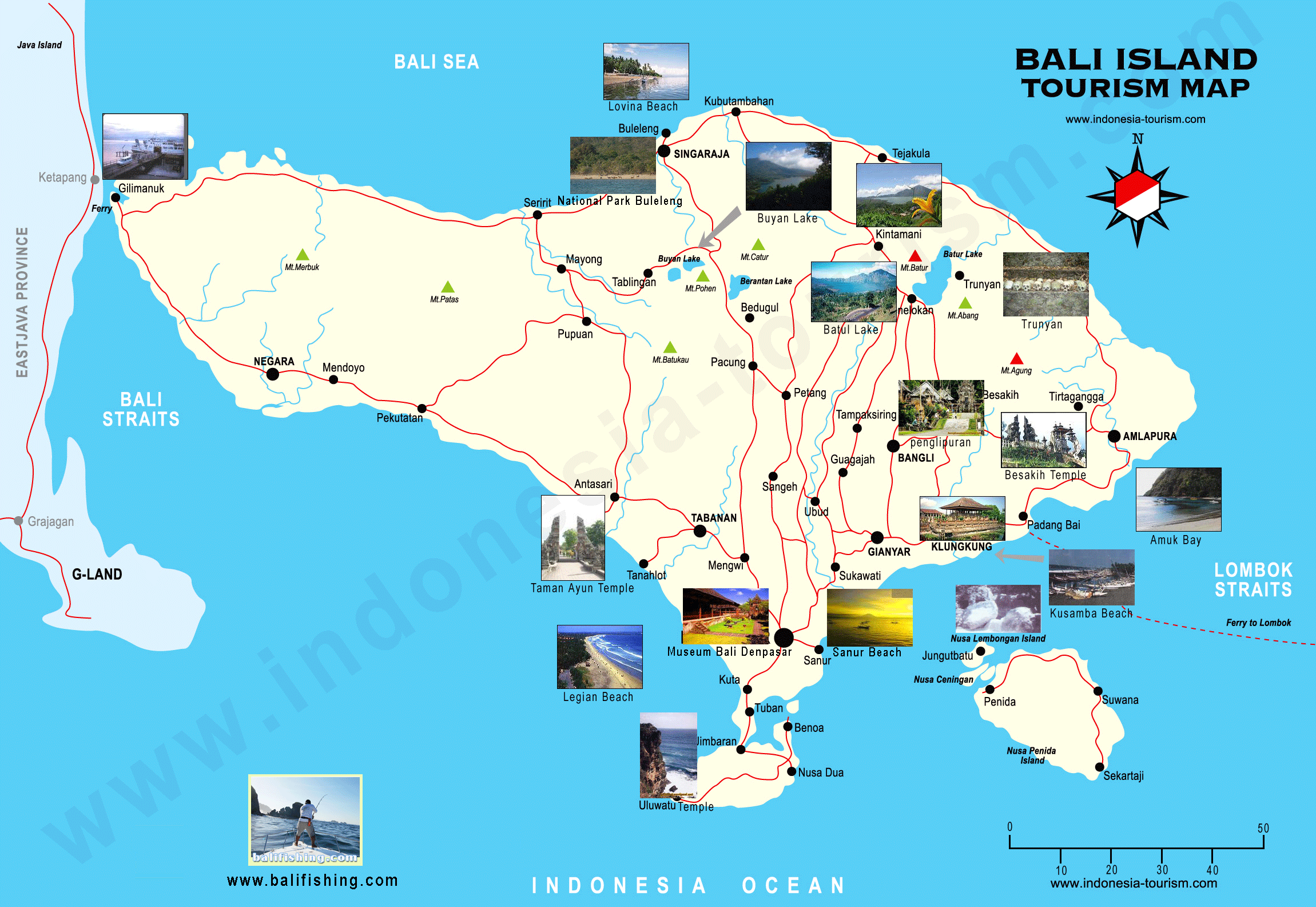
Goa Lawah means ‘bat cave‘ in Balinese, and in Bali, Goa lawah is a famous tourist attraction, as well as a place of religious importance to the Balinese people. The temple was founded in 1007, by Empu Kuteran. Though the temple is small, it is considered very auspicious and is one of the 9 kayangan jagat (directional temples) that protect Bali from evil spirits. The temple at Goa Lawah protects Bali from the SE. Balinese people often stop when driving along thius part of the coast, to give offerings. This is the case all over the island. On special days, raod side shrines may attract a large crowd of Balinese, dressed in ceremonial gear, stopping on their way to a major temple, to give offerings and pray. The parking area and souvenir sellers are in front of the temple, which itself is quite small. There is a 11 tier meru inside, donating its importance, but the actuall temple is quite small. It is possible to visit Goa Lawah during ceremonies, and I managed to get inside to watch people giving offerings and praying. The cave itself is in the rear of the temple, up against the cliff. Inside are hundreds of fruit bats and legend has it that the cave extends all the way underground Pura Goa, at Besakih temple 30 kms away. The cave is the dwelling of Balinese naga, Basuki. Bearing in mind the people at Tirtaganga believe the waters of the Ganges (in India) flow through there, I’d take that with a pinch of salt. •Location of Goa Lawah: Goa Lawah is located on the main road between Kusamba and the turn off for Padangbai. Its on the mountain side of the coastal road and you will notice a parking area, souvenir vendors and tourists milling around. •Getting to Goa Lawah: From Kuta take the Bypass to Sanur, lookout for the sweeping turnoff to the right, just north of Sanur, that heads along the coast to Kusamba. The driving time will be 1.5 -2 hours, depending on how the traffic is in the Kuta area. At the end of the ever-extending coastal highway, you’ll turon off towards Klungkung, before swinging back towards the coastal road that goes to Candi Dasa. •Opening hours: Goa Lawah is open to the public daily, from 7am-6pm. The price 3,000rp. There is a parkirman taking payment for parking, 500rp. Sarongs can be rented for around 1,500rp. •What is there to do at Goa Lawah?: One can take photos of the temple, wander insdie, if you are appropriately dressed in sarong and sash, and buy souvenirs. I have in the past, at Besakih temple, received blessings with a group of Balinese people. This is probably also possible, but don’t charging in there by yourself. Across the street, next to the beach is a garden / picnic area, with views of the islands (Nusa Penida etc.). •Where to stay at Goa Lawah: Your reasons for being on the raod that passes Goa Lawah in the first place are; getting to East Bali and returning from East Bali. People usually don’t look to stay at Goa Lawah and keep going another 7kms to padangbai, or 17kms to Candi Dasa, where you’ll find plenty of choice in places to stay. •What to wear at Goa Lawah: Sarong and sash. Best to pick up a cheap one in Kuta art market, then you can visit temples on your trip around Bali. Rental is cheap too. •Where to eat at Goa Lawah: Vendors sell drinks and the usual snacks outside including grilled corn. There’s no warungs or McDonalds handy though, so your best best is to head to Padangbai, if that is your final destination, or carry on to Candi Dasa, if you are going further east. •When to come to Goa Lawah: The best time to visit Goa Lawah is during the odalan, the temple birthday, or any major Balinese festival, when the temple will be busy due to its importance. Balinese temples are often shabby and bare looking. Its only during a ceremony, that a temple comes to lifes with sounds, singing, offerings, and dancing.

 Nusa Penida is an island southeast of Bali island, Indonesia. Administratively, the island is a subdistrict of Klungkung regency. There are two small islands nearby: Nusa Lembongan and Nusa Ceningan. The Badung Strait separates the island and Bali. Diving sites Nusa Penida covers a wide area of diving locations. They are Penida Bay, Manta Point, Batu Meling, Batu Lumbung, Batu Abah, Toyapakeh and Malibu Point. The flow through the Lombok Strait is, overall, south-tending, although the strength and direction of the tidal streams are influenced by the monsoon seasons. During the southeast monsoons, the tidal flow tends south; during the northeast monsoons, the tidal flow tends north. In the area of the strait north of Nusa Penida, the pattern is relatively simple, with a flow, at peaktide, of about three-and-one-half knots. Tidal streams in Badung Strait are semi-diurnal, but the character of the stream is very complicated because its direction runs obliquely to the general south to north direction of Lombok Strait, and the channel has a curved shape. Toyapakeh Toyapakeh has a stretch of reefs, and in the southern part of the bay there is a similar area of rugged bommies, rich with color and fish. Big schools of fish, sea turtles, and occasionally molas are highlight of Toyapakeh diving. Toyapakeh is special for its pillars of coral. Malibu Point Malibu Point is a diving site with gray reefs, reef white tips, silver-tips and numerous sharks. While Penida Bay is another anchorage, and the rocky islands have an interesting forms; something like an old resting elephant. The bay is vulnerable to swell, creating-up-and-down-currents. Then, Manta Point is a limestone rock off Pandan cafe. The swell is relatively strong. Nusa Penida/Lembongan Nusa Penida/Lembongan is a diving site with vast spread of coral reefs and good visibility. Big fishes are frequently observed at the area. Manta rays or sunfishes appear in the certain season. The site is also known of the very strong currents requiring divers some skills. Crystal Bay Crystal Bay is calmer than outer shore. There are many Antheases. A school of batfish comes around periodically. A bat cave is located nearby. From Wikipedia, the free encyclopedia